Dinar Galimov
AI-native Systems-driven Built to ship Product Design Complex products · From problem to production · Fintech & B2B SaaS

I design complex B2B products end-to-end and build the systems that help teams ship them faster. Over 15 years in design and digital products, I’ve spent 12 in fintech, including the last 7 at Finom, where I joined as the first designer and grew the design function to 14 people across 9 product domains.
My work goes beyond static screens to designing the systems behind them: product logic, interaction rules, states, components, and context that teams and AI agents can build from. I use AI across research, exploration, prototyping, and production, while keeping product judgment and quality at the center. Products where edge cases matter are the ones I enjoy most.
Shape complex products
Product strategy · Complex B2B workflows · AI experiences · Prototyping in code
Payments · Cards · Lending · Accounting · AI-powered workflows
Build systems that scale
Design systems · Tokens · Design-to-code · MCP · AI governance
400+ components · Web, iOS & Android
Lead design at scale
Design strategy · Hiring · Team growth · Design quality · Product partnership
Design function 1 → 14 · 9 product domains
Selected Work
Experience
Finom
2019 – 2026
Founding Designer → Head of Design
Product Work
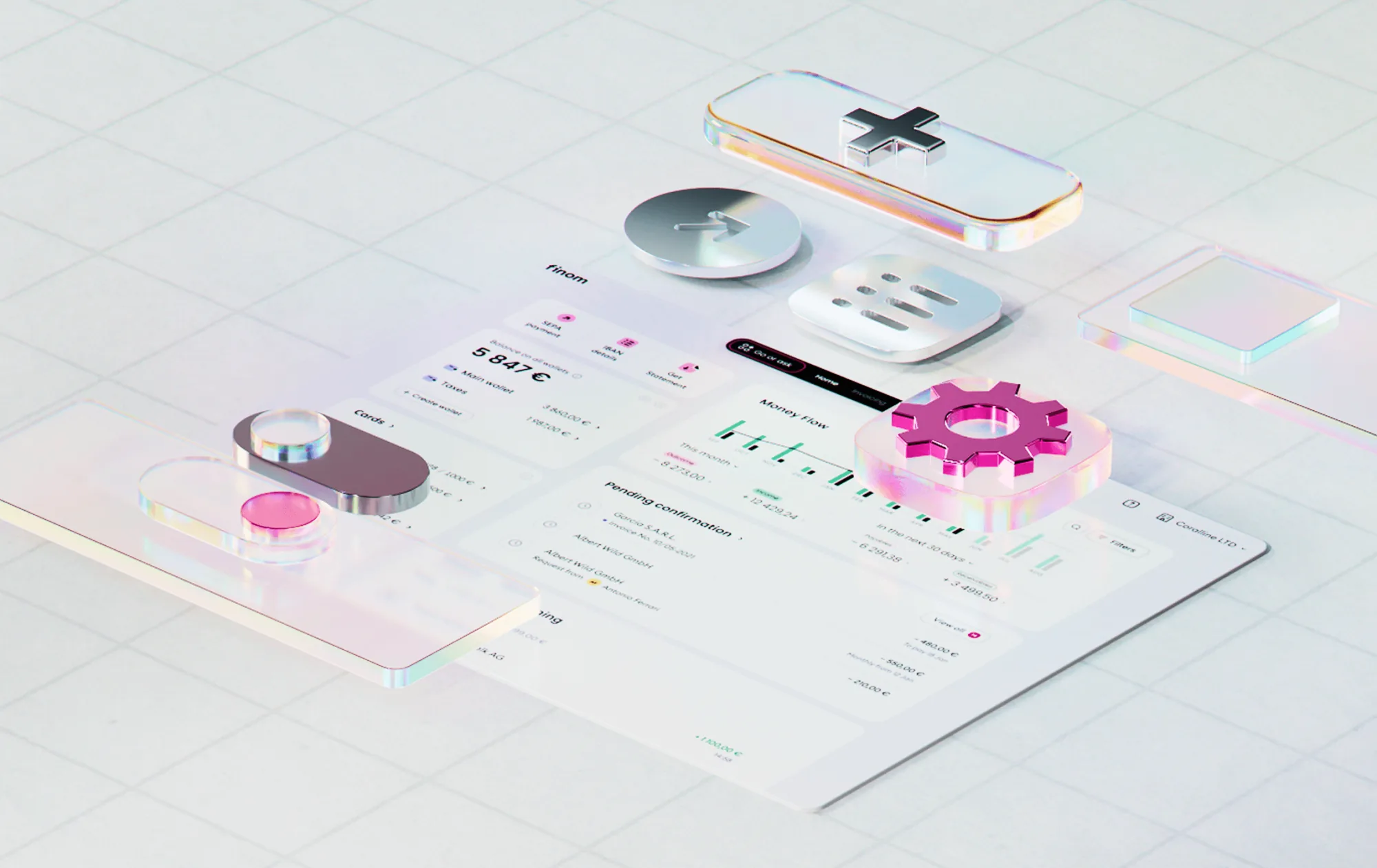
- Designed a unified cross-domain UX architecture for web and mobile, replacing 3+ fragmented approaches with a single interaction framework - reduced rework during feature launches and improved delivery predictability
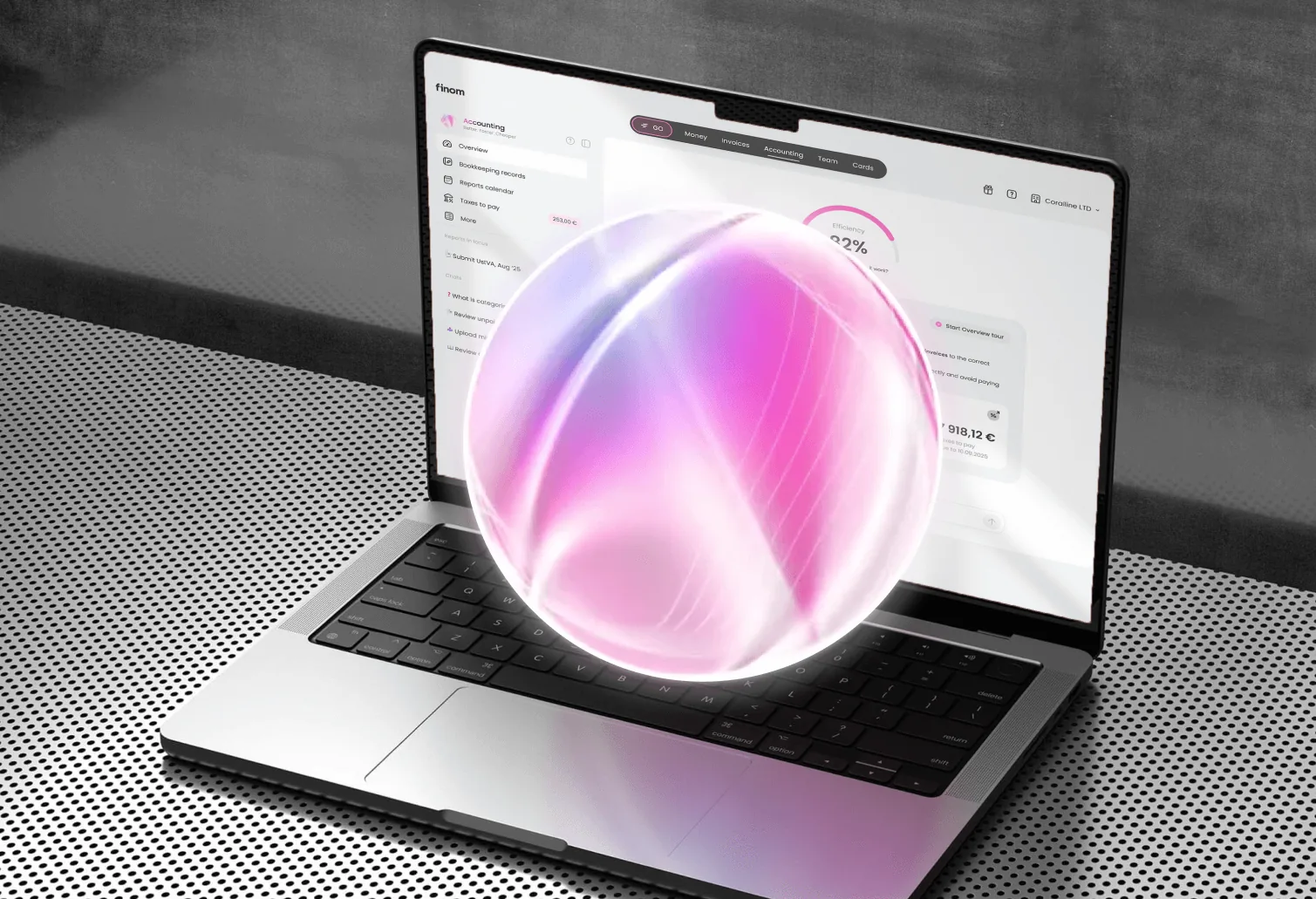
- Built end-to-end reconciliation flow connecting documents, transactions, and accounting entries into a single user journey, replacing 3 separate entry points
- Led UX for AI CFO - a cross-product AI assistant spanning 5+ domains. Defined conversation architecture, context integration patterns, error and fallback states; shipped MVP to production Q1 2026
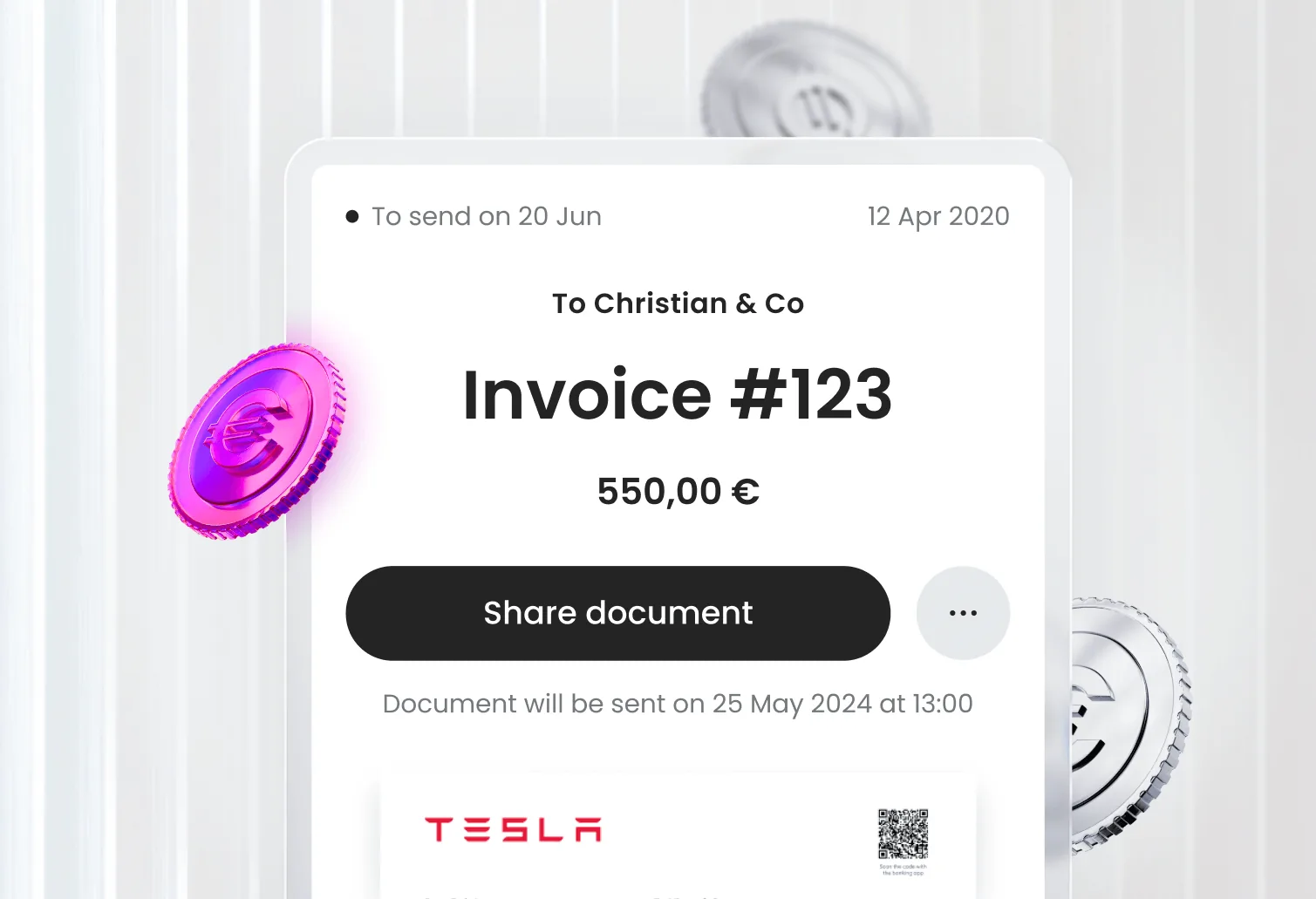
- Key launches: Cards (Prime / Standard / Metal), Accounting for freelancers, E-invoicing, Credit, Local Payments
- Scaled the design system from 0 to 400+ components across 5 product teams
Team & Quality
- Mentored and grew a design team from 0 to 13 - ran design reviews, set craft standards, built hiring process and onboarding
- Introduced a pre-launch quality framework and cross-team design rituals that kept UX consistency as the org scaled
- Worked closely with CPO on roadmap priorities, scope decisions, and resource allocation across domains
Modulbank
2014 – 2019
Founding Designer → Lead Product Designer
- Designed core banking flows from scratch: payments, accounts, transaction management, lending, deposits, acquiring
- Built the design practice: processes, standards, tooling, and the first design hires
- Key launches: Lending, Deposits, Acquiring, POS terminal flows
Unicloud Labs
2012 – 2014
Markup Developer → Product Designer
- Designed and shaped the product from scratch: UX/UI, flows, and interaction design
- Built clickable prototypes and worked closely with engineering through delivery
- Contributed to front-end implementation (HTML/CSS)
- Product adopted by 5,000+ users